
Understanding the EYFS
Understanding the early years foundation stage
Giving every child the very best start in life
Every child deserves the opportunity to grow, learn and flourish in their own unique way.
The Early Years Foundation Stage (EYFS) is the national framework that guides children’s learning and development from birth to five years. Rather than being a curriculum that children simply have to complete, the EYFS helps us understand how young children learn best and ensures they receive the experiences, care and support they need to reach their potential.
The seven areas of learning
The EYFS is built around seven interconnected areas of learning and development.
The three prime areas
These provide the foundations for future learning:
• Communication and Language
• Physical Development
• Personal, Social and Emotional Development
As children grow in confidence, independence and understanding, their learning naturally develops across four further Specific Areas:
• Literacy
• Mathematics
• Understanding the World
• Expressive Arts and Design
Together, these seven areas support children to become confident communicators, capable learners, creative thinkers and resilient individuals, preparing them for school and beyond.

How children learn matters too
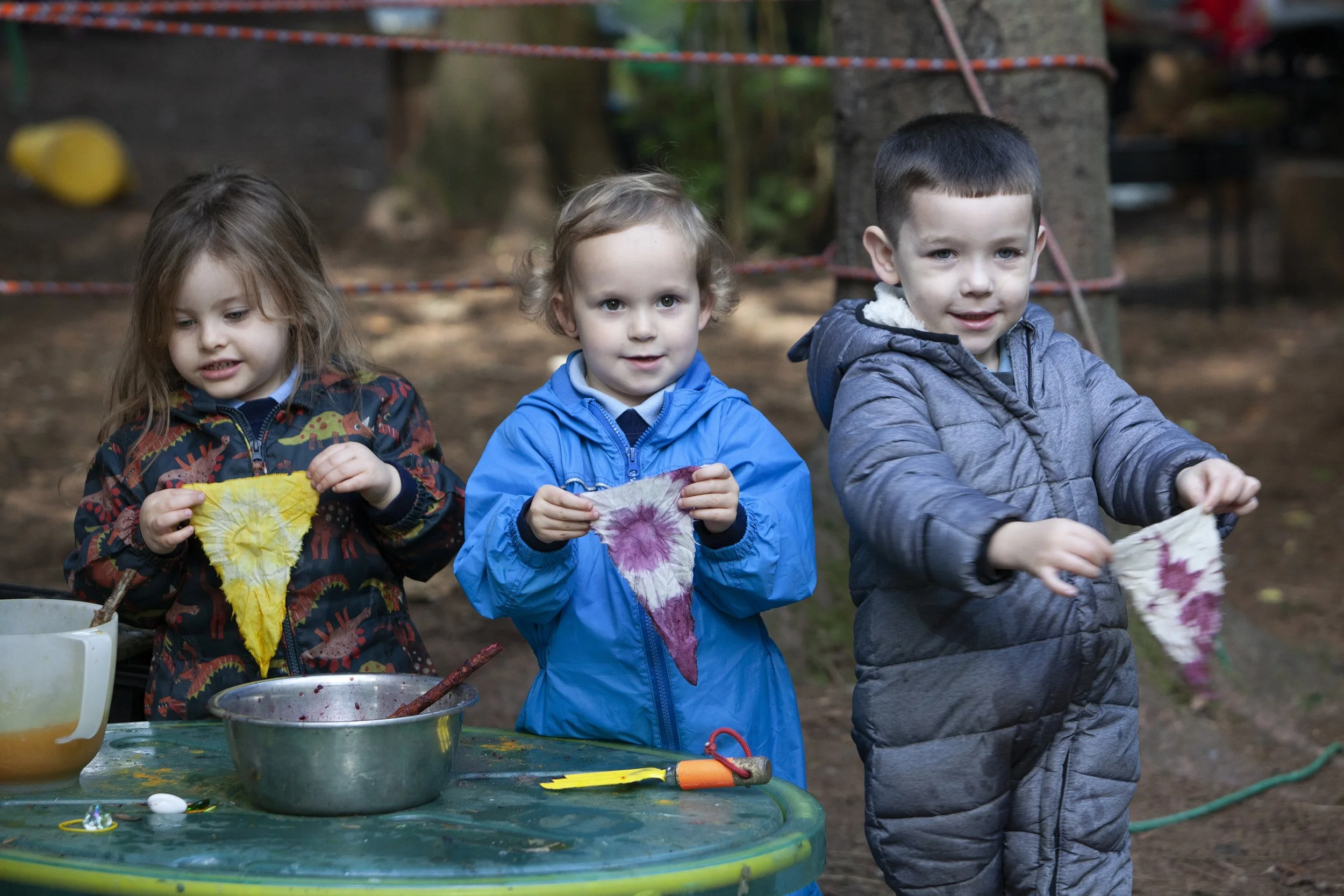
The EYFS recognises that learning is about more than what children know. It’s also about how they learn.
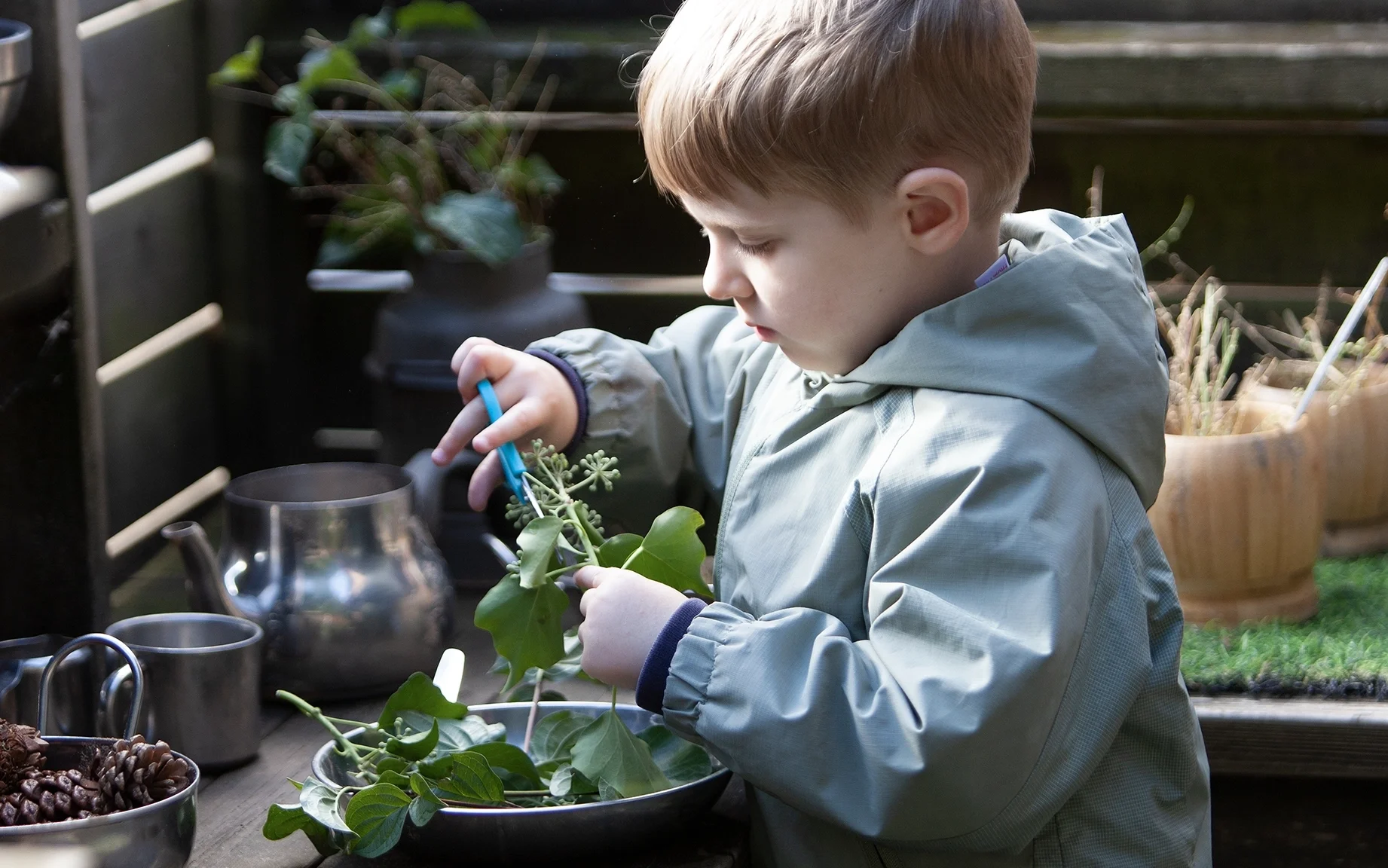
The Characteristics of Effective Learning encourage children to be curious, explore ideas, become deeply involved in their play, persevere when things are challenging and think creatively when solving problems.
At Old MacDonald’s, we observe how each child approaches learning and use this understanding to create meaningful experiences that build confidence, resilience and a lifelong love of learning.

Working with families
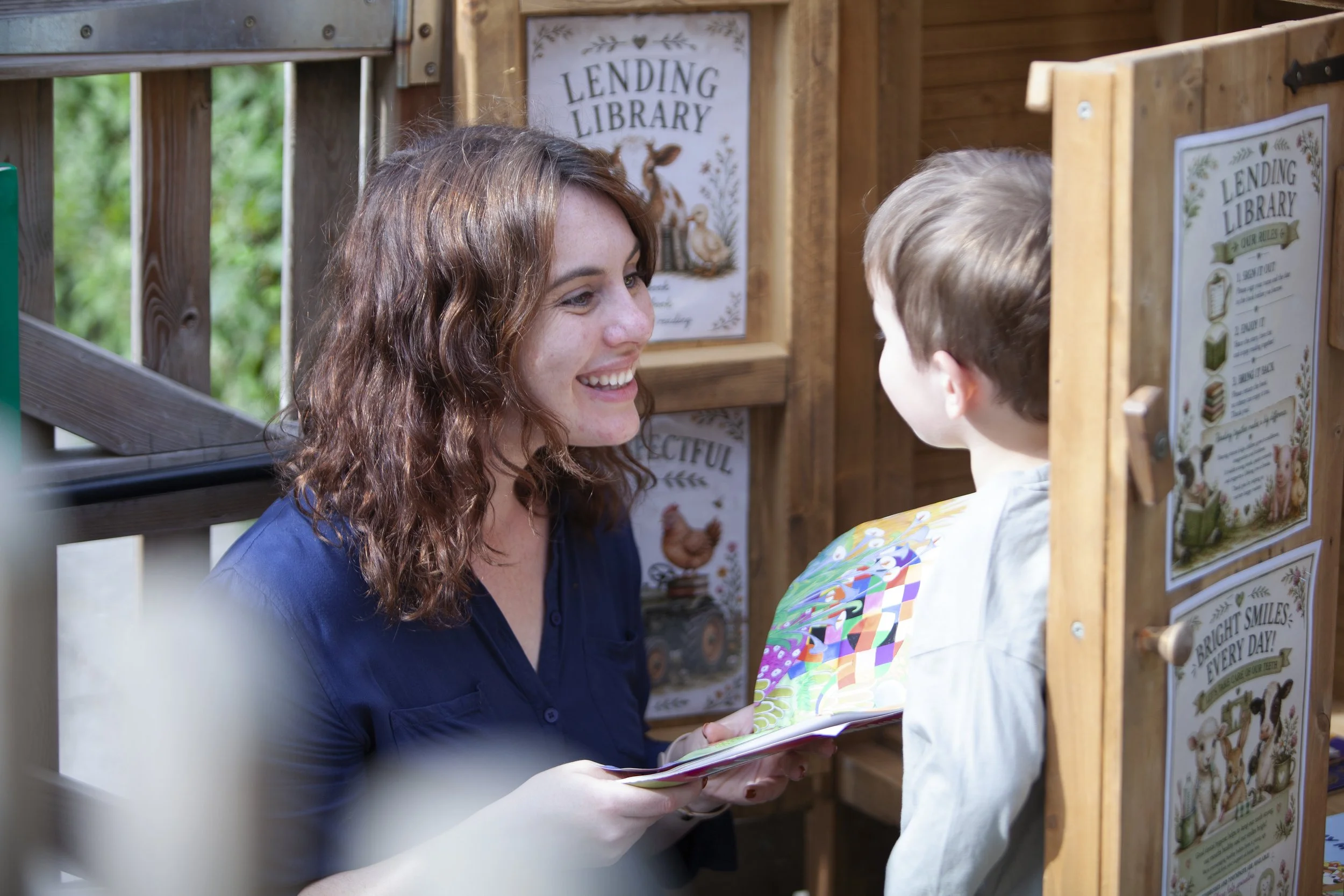
Parents and carers are central to their child’s learning journey.
By sharing observations, celebrating milestones and talking about children’s development together, we create a consistent approach between home and nursery.
Together, we can give every child the encouragement, support and opportunities they need to flourish
Birth to Five Matters
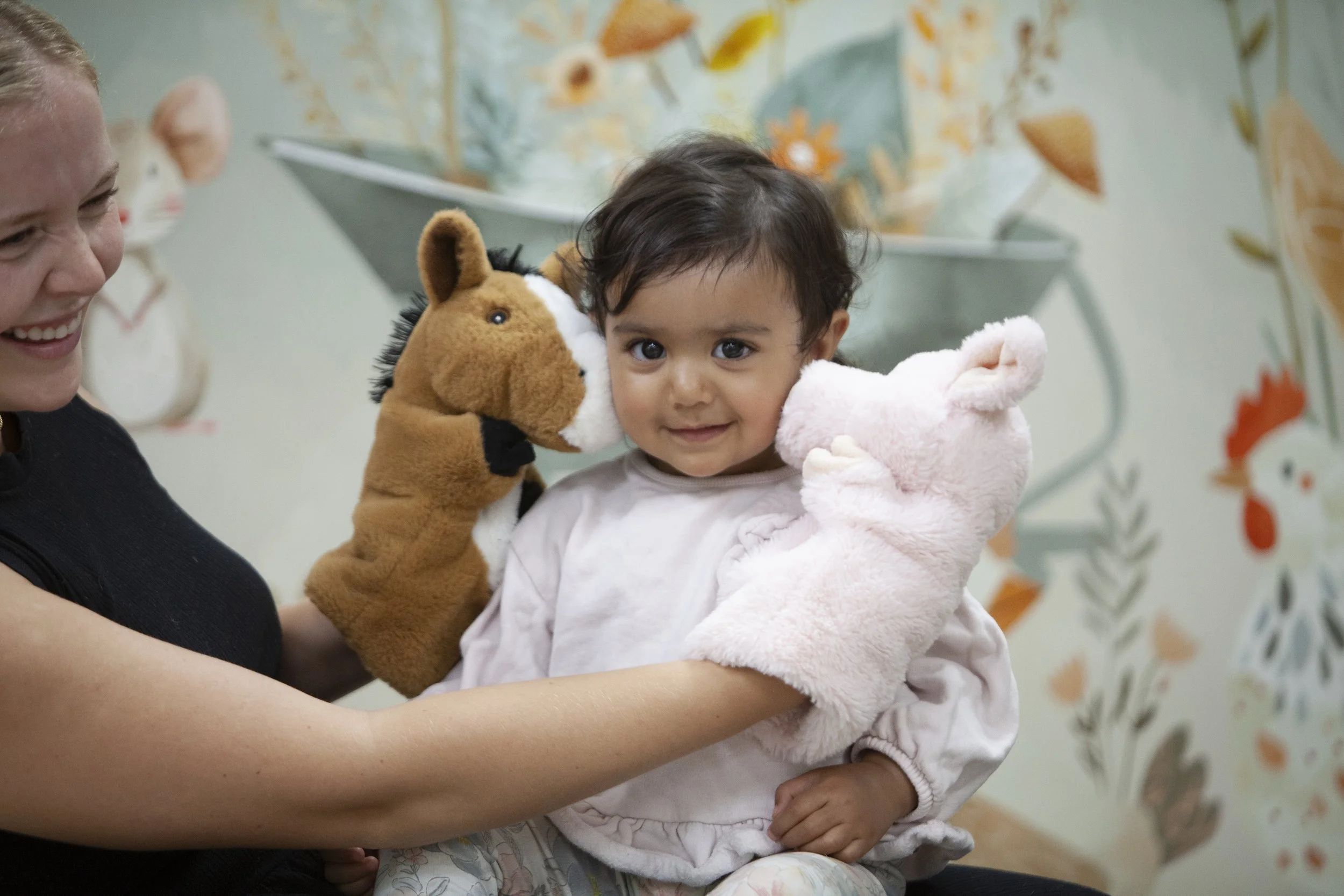

We use the respected Birth to Five Matters guidance to support our observations, assessments and planning.
This non-statutory guidance helps our experienced educators understand each child’s individual stage of development and identify appropriate next steps. Rather than measuring children against a rigid checklist, it supports professional judgement, celebrates achievements and helps us plan experiences that inspire continued progress.